

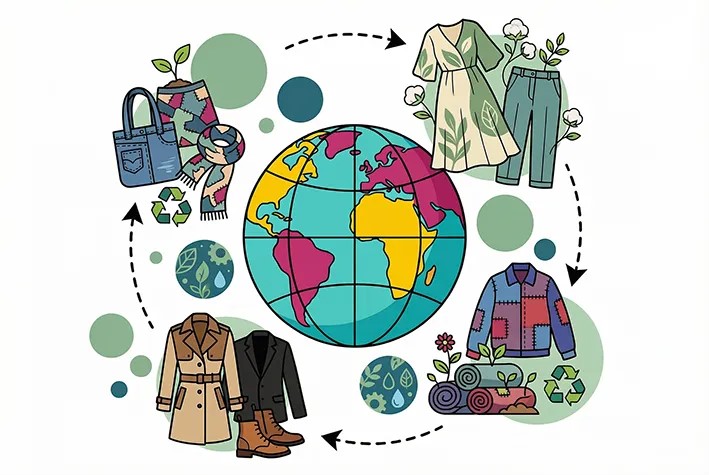
Eco-design for Circularity in the Textile and Clothing Industry
This course introduces the concept of eco-design for circularity in the textile and clothing industry and explains how businesses can integrate circular design principles into products, processes, and value chains. As sustainability requirements and regulatory expectations continue to evolve, textile companies must rethink how products are designed, produced, used, and managed at end-of-life.
The course explores how eco-design can help reduce environmental impacts across the entire textile lifecycle—from fibre selection and manufacturing to product use, reuse, and recycling. Participants will learn about key circular design strategies such as durability, repairability, recyclability, and the use of sustainable materials. Through practical examples and case-based learning, the course highlights how eco-design can support resource efficiency, innovation, and new circular business models.
In addition, the course examines the growing influence of sustainability regulations on the textile sector, with a particular focus on the European Union’s Ecodesign for Sustainable Products Regulation (ESPR) and the introduction of the Digital Product Passport (DPP). Participants will gain insights into how regulatory requirements shape product design, supply chain transparency, and data governance across global textile value chains. By the end of the course, learners will understand how eco-design principles can be applied in practice, how businesses can prepare for emerging regulatory frameworks, and how circular design strategies can strengthen competitiveness while supporting a more sustainable textile industry.
After completing this course, you will be able to:
Course certification
Course structure
- 01 Module 1: Eco-design for Textile Products: An Overview
- 02 Module 2: Eco-design Strategies Across the Circular Lifecycle of T&C products
- 03 Module 3: The Impact of Regulations on Eco-design for Circularity in the Textile Industry
- Tutor: Olivia Chassot